

Longevity Science: The Most Effective Anti-Aging Protocols for 2026 sets the stage for this enthralling narrative, offering readers a glimpse into a story that is rich in detail with casual formal language style and brimming with originality from the outset.
Longevity Science plays a crucial role in the quest for defying aging, with cutting-edge technologies, nutritional strategies, lifestyle interventions, and regenerative medicine paving the way for a healthier and longer life. This exploration delves into the intricacies of anti-aging research in 2026, highlighting the latest advancements and promising protocols that hold the key to unlocking the secrets of longevity.
Introduction to Longevity Science
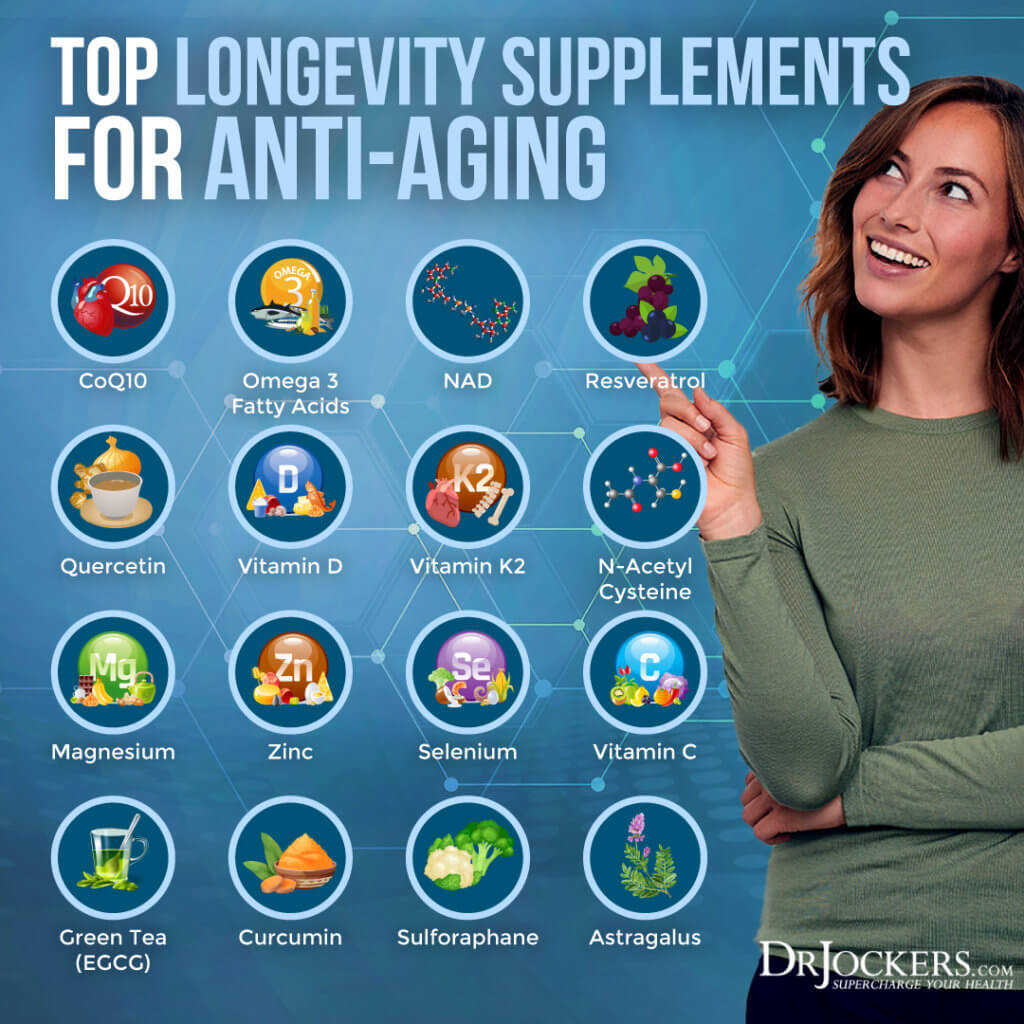 Longevity science is a field of research dedicated to understanding the mechanisms of aging and developing interventions to promote healthy aging and extend lifespan. It plays a crucial role in anti-aging research by exploring ways to prevent age-related diseases and enhance the quality of life in older adults.The key objectives of longevity science include identifying biomarkers of aging, studying genetic and environmental factors that influence longevity, and developing interventions such as lifestyle modifications, dietary strategies, and pharmaceutical interventions to slow down the aging process.
Evolution of Longevity Science
Longevity science has evolved significantly over the years, with rapid advancements in technology and research methods. In 2026, the field is focused on personalized medicine, precision aging, and the role of the microbiome in aging. Researchers are also exploring the potential of gene editing technologies, stem cell therapy, and senolytics in extending lifespan and improving healthspan.Cutting-Edge Anti-Aging Technologies
In the ever-evolving field of anti-aging research, cutting-edge technologies play a crucial role in developing innovative protocols to combat the effects of aging. Advancements in AI, machine learning, and nanotechnology have revolutionized the way we approach anti-aging treatments, offering new possibilities and promising outcomes for the future.Artificial Intelligence and Machine Learning
AI and machine learning have significantly impacted anti-aging research by analyzing vast amounts of data to identify patterns and correlations that may have been overlooked by traditional methods. These technologies help researchers predict potential anti-aging interventions, personalize treatment plans, and optimize outcomes based on individual genetic makeup and lifestyle factors. By leveraging AI and machine learning, scientists can accelerate the discovery of effective anti-aging strategies and improve overall patient outcomes.Nanotechnology in Anti-Aging Treatments
Nanotechnology has emerged as a promising tool in developing targeted and efficient anti-aging treatments. By manipulating materials at the nanoscale level, researchers can create specialized delivery systems for anti-aging compounds, allowing for better absorption, increased efficacy, and reduced side effects. Nanoparticles can penetrate deep into the skin or target specific cells to deliver anti-aging agents precisely where they are needed, maximizing their therapeutic potential. The use of nanotechnology in anti-aging treatments holds great promise for enhancing skin rejuvenation, promoting cellular regeneration, and combating age-related damage at a molecular level.Nutritional Strategies for Longevity
 Nutrition plays a crucial role in enhancing longevity and combating the aging process. The food we consume not only provides energy but also supplies essential nutrients that support cellular function, repair damage, and reduce oxidative stress.
Superfoods and Dietary Supplements for Anti-Aging
Superfoods are nutrient-dense foods that offer a wide range of health benefits. Examples include blueberries, kale, salmon, and nuts, which are rich in antioxidants, vitamins, and minerals that help protect cells from damage. Dietary supplements like resveratrol, collagen peptides, and omega-3 fatty acids also support anti-aging effects by promoting skin elasticity, joint health, and cognitive function.Intermittent Fasting vs. Ketogenic Diet for Longevity
Intermittent fasting and the ketogenic diet are two popular dietary approaches known for their potential anti-aging effects. Intermittent fasting involves cycling between periods of eating and fasting, which may promote cellular repair and increase longevity. On the other hand, the ketogenic diet focuses on high-fat, low-carb intake to shift the body into a state of ketosis, where it burns fat for energyLifestyle Interventions for Anti-Aging
Regularly incorporating lifestyle interventions into your routine can significantly impact the aging process and promote longevity. In this section, we will explore the effects of exercise, stress management techniques, and adequate sleep on anti-aging protocols.Exercise and Physical Activity
Regular exercise plays a crucial role in promoting healthy aging and increasing longevity. Physical activity helps maintain muscle mass, improve cardiovascular health, and enhance overall well-being. Engaging in activities such as strength training, aerobic exercises, and flexibility workouts can help reduce the risk of age-related diseases and improve quality of life.Stress Management Techniques
Chronic stress can accelerate the aging process and negatively impact overall health. Implementing stress management techniques such as mindfulness meditation, deep breathing exercises, yoga, or tai chi can help reduce stress levels and promote healthy aging. Managing stress effectively can also improve cognitive function and boost immune system health.Adequate Sleep
Quality sleep is essential for optimal health and plays a vital role in anti-aging protocols. During sleep, the body undergoes repair and regeneration processes, crucial for cellular rejuvenation. Lack of sleep can contribute to premature aging, cognitive decline, and increased risk of chronic diseases. Prioritizing adequate sleep duration and quality can support healthy aging and overall well-being.Regenerative Medicine and Longevity
Regenerative medicine is a branch of medical science that focuses on restoring the structure and function of damaged tissues or organs in the body. In the context of anti-aging therapies, regenerative medicine plays a crucial role in promoting longevity by rejuvenating cells and tissues to counteract the effects of aging.Stem Cell Therapy and Tissue Engineering for Longevity
Regenerative medicine harnesses the power of stem cells, which have the unique ability to differentiate into various cell types in the body. Stem cell therapy involves using these cells to repair and regenerate damaged tissues, promoting overall health and longevity. Additionally, tissue engineering techniques are utilized to create artificial organs or tissues that can replace or repair damaged ones, further enhancing longevity.- Stem cell therapy: Stem cells are extracted from sources such as bone marrow or adipose tissue, then administered to target areas in the body to promote tissue regeneration and repair.
- Tissue engineering: Scientists can create biomaterials and scaffolds that mimic the structure of natural tissues, allowing for the development of artificial organs or tissues for transplantation and repair.
- Applications in anti-aging: Stem cell therapy and tissue engineering can be used to rejuvenate aging skin, repair damaged organs, and improve overall health and vitality to enhance longevity.
Ethical Considerations in Regenerative Medicine for Anti-Aging
Regenerative medicine raises ethical considerations, particularly in the use of stem cells and genetic engineering for anti-aging purposes. Ensuring the ethical use of these technologies is crucial to balancing scientific advancements with moral and societal concerns.- Stem cell sources: Ethical dilemmas arise from the use of embryonic stem cells, as their extraction involves the destruction of human embryos. Researchers must consider alternative sources, such as adult stem cells, to avoid ethical controversies.
- Genetic engineering: Manipulating genes to enhance longevity raises concerns about altering the natural course of aging and potential unforeseen consequences. Ethical guidelines are essential to regulate the use of genetic interventions in anti-aging treatments.
- Informed consent: Patients undergoing regenerative medicine therapies for anti-aging should be fully informed about the procedures, risks, and benefits involved. Respecting patient autonomy and ensuring informed consent is essential in ethical practice.
Ultimate Conclusion
As we conclude this exploration of Longevity Science: The Most Effective Anti-Aging Protocols for 2026, it becomes evident that the pursuit of a youthful and vibrant life is within reach. By embracing the innovative technologies, nutritional enhancements, lifestyle adjustments, and regenerative breakthroughs discussed, individuals can embark on a journey towards graceful aging and enhanced well-being. The future of anti-aging looks brighter than ever, offering hope and possibilities for a generation that seeks to defy the constraints of time and age.
FAQ Resource
What are the key objectives of longevity science?
The key objectives of longevity science include promoting healthy aging, understanding the mechanisms of aging, and developing effective interventions to extend lifespan.
How do lifestyle interventions impact anti-aging?
Lifestyle interventions such as regular exercise, stress management, and adequate sleep play a crucial role in promoting healthy aging by maintaining cellular health and overall well-being.
What is the significance of regenerative medicine in anti-aging therapies?
Regenerative medicine offers innovative approaches to rejuvenate tissues and organs, potentially reversing the effects of aging and promoting longevity through stem cell therapy and tissue engineering.

