

Delve into the world of Personalized Nutrition: How DNA Testing is Changing the Wellness Industry with a captivating blend of knowledge and originality, inviting readers to explore the transformative impact of DNA testing on health and wellness practices.
Provide a detailed overview of the topic to set the stage for an enriching discussion.
Overview of Personalized Nutrition through DNA Testing
Personalized nutrition is a tailored approach to diet and lifestyle based on an individual's genetic makeup. By analyzing DNA, experts can identify specific genetic variations that impact how nutrients are metabolized, absorbed, and utilized in the body.
Utilization of DNA Testing in the Wellness Industry
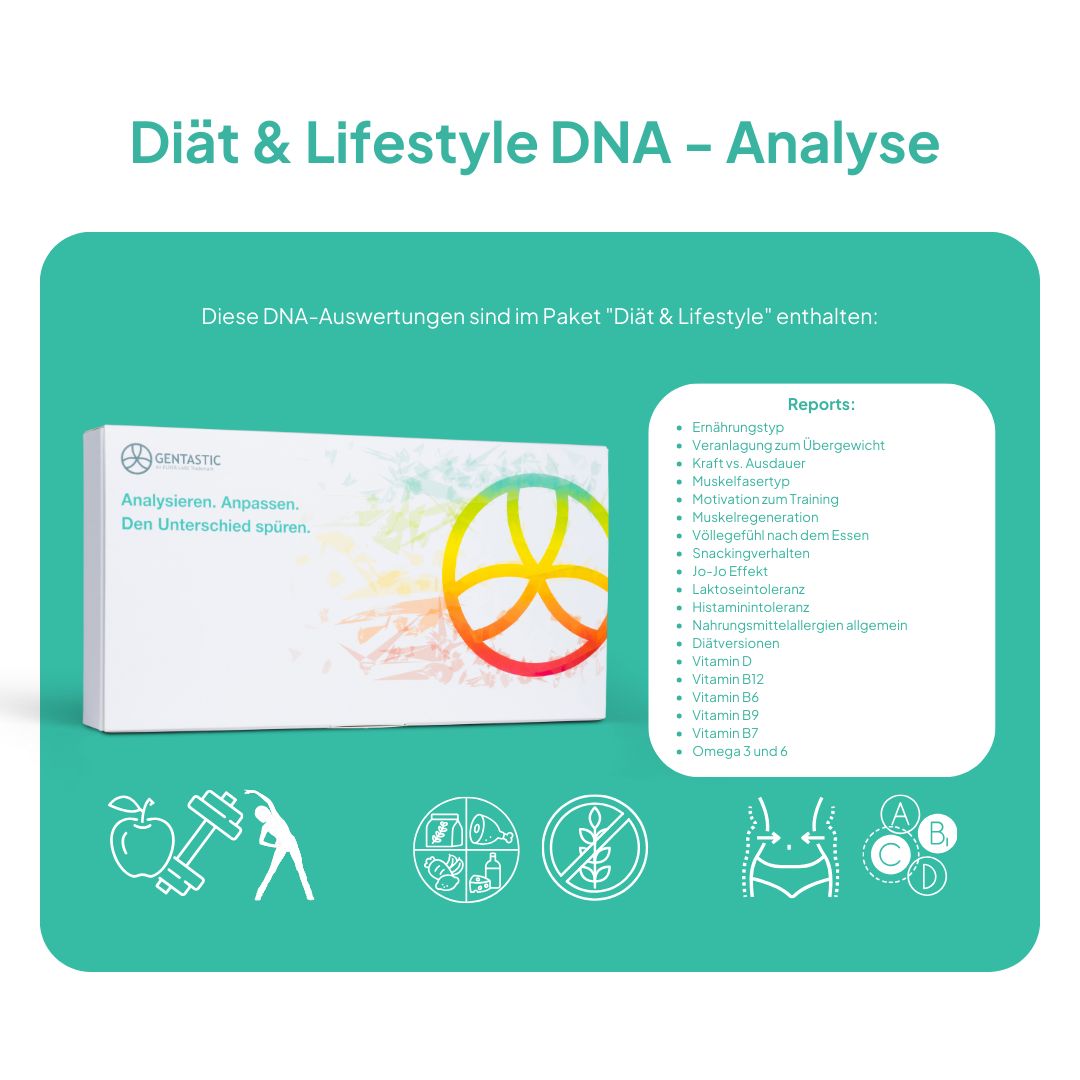
DNA testing is utilized in the wellness industry to provide personalized recommendations for diet, exercise, and supplementation. Companies offer genetic testing kits that analyze an individual's DNA to provide insights into their unique nutritional needs.
- One example of a company offering personalized nutrition based on DNA testing is DNAfit. They analyze genetic data to provide personalized diet and exercise plans tailored to an individual's genetic profile.
- Another company, Nutrigenomix, offers DNA testing to identify how an individual's genes influence their response to different foods. This information is used to create personalized nutrition recommendations.
Benefits of Personalized Nutrition
Personalized nutrition offers several advantages over traditional approaches by tailoring dietary recommendations based on an individual's unique genetic makeup, lifestyle, and health goals. This targeted approach can optimize health and wellness in a more effective and sustainable manner compared to generic recommendations.Improved Nutrient Absorption
Personalized nutrition plans can identify genetic variations that impact how nutrients are absorbed and utilized by the body. By addressing these specific needs, individuals can ensure they are getting the right balance of vitamins, minerals, and macronutrients to support overall health.Optimized Weight Management
Through DNA testing, personalized nutrition can provide insights into an individual's metabolism, response to different types of food, and propensity for weight gain. By customizing dietary recommendations based on these factors, individuals can achieve better outcomes in terms of weight loss or maintenance.Enhanced Athletic Performance
For athletes and fitness enthusiasts, personalized nutrition can be especially beneficial in optimizing performance and recovery. By understanding genetic factors that influence muscle function, energy production, and nutrient needs, tailored nutrition plans can help individuals reach their peak physical condition.Prevention of Chronic Diseases
By identifying genetic predispositions to certain health conditions, such as heart disease, diabetes, or obesity, personalized nutrition plans can help individuals make proactive dietary choices to reduce their risk. This personalized approach focuses on prevention rather than just treatment.Improved Overall Wellbeing
Ultimately, personalized nutrition aims to improve overall wellbeing by addressing individual needs and preferences. By taking into account genetic factors, lifestyle habits, and health goals, personalized nutrition plans can lead to better health outcomes, increased energy levels, and a greater sense of vitality.Process of DNA Testing for Personalized Nutrition
![Lykon DNA Test NutriWell [Erfahrungsbericht] - Personalisierte Ernährung](https://mentalhealth.harianhaluan.com/wp-content/uploads/2026/05/Lykon-MyDNA-Nutrill-Erfahrungsbericht-Test-Grafik-Vorteile-900x900-1.jpg "Lykon DNA Test NutriWell [Erfahrungsbericht] - Personalisierte Ernährung")
When it comes to personalized nutrition through DNA testing, the process involves several key steps to extract genetic information and tailor specific dietary recommendations for individuals.
Genetic Sample Collection
The first step in DNA testing for personalized nutrition is the collection of a genetic sample, typically through a saliva swab or a blood sample. This sample contains the individual's DNA, which holds valuable information about their unique genetic makeup.
DNA Sequencing and Analysis
Once the genetic sample is collected, it undergoes DNA sequencing, where the genetic information is decoded and analyzed. This process helps identify specific genetic variations that may impact an individual's response to certain nutrients, food sensitivities, metabolism, and overall health.
Nutrition Recommendations
Based on the analysis of the genetic information, personalized nutrition recommendations are then generated. These recommendations take into account the individual's genetic predispositions and provide guidance on optimizing their diet to achieve better health outcomes.
Comparison of DNA Testing Methods
- Whole Genome Sequencing: This method provides a comprehensive analysis of an individual's entire genetic code but can be costly and time-consuming.
- Genotyping: A more targeted approach that focuses on specific genetic markers related to nutrition and wellness, offering a quicker and more affordable option for personalized nutrition testing.
- Microbiome Testing: In addition to DNA testing, analyzing the gut microbiome can provide valuable insights into how an individual's gut health influences their nutritional needs and overall well-being.
Challenges and controversies surrounding Personalized Nutrition
Personalized nutrition through DNA testing has brought about various challenges and controversies within the wellness industry. These issues range from ethical concerns to potential limitations that may impact the effectiveness of this approach
Ethical concerns related to genetic testing for nutrition
Genetic testing for nutrition raises ethical concerns regarding privacy, consent, and the potential misuse of genetic information. Individuals may be hesitant to undergo DNA testing due to fears of their genetic data being shared without their permission or used for discriminatory purposes.
Moreover, the accuracy and reliability of genetic testing results for nutrition are still under scrutiny, leading to questions about the ethical implications of making dietary decisions based on this information.
Potential limitations of personalized nutrition based on DNA testing
One of the limitations of personalized nutrition based on DNA testing is the complexity of gene-diet interactions. Genetic variants may have different effects on individuals depending on various factors, making it challenging to provide universal dietary recommendations.
Additionally, the cost of genetic testing for personalized nutrition may be prohibitive for some individuals, limiting access to this approach and potentially widening health disparities.
Controversies or debates within the wellness industry regarding personalized nutrition
There are ongoing debates within the wellness industry regarding the validity and effectiveness of personalized nutrition based on DNA testing. Some experts argue that genetic information is just one piece of the puzzle and that other factors such as lifestyle and environment also play a significant role in determining dietary needs.
Furthermore, critics of personalized nutrition through DNA testing raise concerns about the lack of long-term studies demonstrating the impact of genetic-based dietary recommendations on health outcomes, highlighting the need for more research in this area.
Future Trends in Personalized Nutrition and DNA Testing
As technology continues to advance, the field of personalized nutrition through DNA testing is expected to see significant growth and evolution. Let's explore some of the future trends that could shape the industry.
Enhanced Genetic Technologies
Emerging technologies such as CRISPR gene editing and advanced sequencing methods are likely to revolutionize the way we analyze and interpret genetic data for personalized nutrition. These advancements could provide even more precise and tailored recommendations based on an individual's unique genetic makeup.
Integration of Artificial Intelligence
Artificial intelligence (AI) algorithms have the potential to analyze vast amounts of genetic and nutritional data to generate highly personalized recommendations. By incorporating AI into DNA testing for personalized nutrition, we could see more accurate predictions and targeted interventions for better health outcomes.
Expanded Genetic Testing Options
With ongoing research and development, we can expect to see a wider range of genetic tests available for personalized nutrition. This expansion could cover more genetic markers related to nutrient metabolism, food sensitivities, and other factors that influence dietary requirements.
Mainstream Adoption and Accessibility
As personalized nutrition becomes more accepted and sought after, we anticipate increased accessibility to DNA testing services. This shift towards mainstream adoption could make personalized nutrition through DNA testing more affordable and widely available to the general public.
Closure
Conclude the discussion on Personalized Nutrition: How DNA Testing is Changing the Wellness Industry with a compelling summary that encapsulates the key points discussed, leaving readers with a lasting impression of the topic.
Commonly Asked Questions
What is personalized nutrition?
Personalized nutrition involves tailoring dietary recommendations based on an individual's genetic makeup, lifestyle, and health goals.
How can DNA testing improve personalized nutrition?
DNA testing provides valuable insights into genetic variations that influence nutrient metabolism, allowing for more precise and effective nutrition recommendations.
Are there any privacy concerns associated with DNA testing for personalized nutrition?
Privacy concerns may arise due to the sensitive nature of genetic information, prompting the need for secure data handling practices by companies offering DNA testing services.
Can personalized nutrition plans based on DNA testing really lead to better health outcomes?
When personalized nutrition plans are accurately tailored to an individual's genetic profile, lifestyle, and health needs, they have the potential to optimize health outcomes and improve overall well-being.
How is personalized nutrition expected to evolve in the future?
As technology advances, personalized nutrition through DNA testing is likely to become more sophisticated, with the integration of AI and other innovative tools to provide even more precise and personalized dietary recommendations.

