

Diving into Wearable Health Tech: Using Data to Prevent Chronic Diseases Early, this introduction immerses readers in a unique and compelling narrative. It explores how wearable health tech leverages data to proactively tackle chronic diseases, setting the stage for a fascinating discussion ahead.
The following paragraphs will delve deeper into the impact, types of data collected, personalized health plans, challenges, and limitations of wearable health tech in disease prevention.
The Impact of Wearable Health Tech on Early Disease Prevention
Wearable health tech has revolutionized the way we monitor our health by providing real-time data on various health indicators. This data plays a crucial role in the early detection and prevention of chronic diseases, ultimately leading to better health outcomes for individuals.Data Collection and Monitoring
Wearable health tech devices, such as smartwatches and fitness trackers, continuously collect data on vital signs like heart rate, sleep patterns, and physical activity levels. This data is then analyzed to provide insights into an individual's overall health status and potential risk factors for chronic diseases.Early Detection and Prevention
By monitoring key health indicators over time, wearable health tech can detect subtle changes that may indicate the early stages of chronic diseases like diabetes, hypertension, or cardiovascular issues. This early detection allows individuals to take proactive measures, such as lifestyle changes or medical interventions, to prevent the progression of these conditions.Advantages of Wearable Health Tech
- Proactive Health Management: Wearable devices empower individuals to take control of their health by providing personalized insights and actionable recommendations based on real-time data. - Continuous Monitoring: Unlike traditional health screenings, wearable health tech offers continuous monitoring, allowing for early intervention and adjustments to health routines as needed. - Improved Compliance: The convenience and accessibility of wearable devices make it easier for individuals to track their health metrics consistently, leading to better adherence to health goals and treatment plans.Types of Data Collected by Wearable Health Tech
Wearable health tech devices are capable of collecting a wide range of health data, providing valuable insights into an individual's well-being and potential health issues. These devices can track various types of data, offering a more comprehensive view of one's health status compared to traditional monitoring methods.Biometric Data
- Heart rate: Wearable devices can monitor heart rate continuously, detecting abnormalities or irregularities that may indicate cardiovascular issues.
- Activity level: They track the number of steps taken, distance traveled, and calories burned, offering insights into physical activity levels.
- Sleep patterns: By analyzing sleep duration and quality, wearable devices can identify sleep disorders or disturbances.
Physiological Data
- Blood pressure: Some wearable devices can measure blood pressure, aiding in the early detection of hypertension.
- Blood oxygen levels: Monitoring oxygen saturation levels can help detect respiratory issues or sleep apnea.
- Body temperature: Changes in body temperature can indicate infections or inflammatory conditions.
Environmental Data
- Air quality: Some wearable devices can measure air quality parameters, providing insights into potential respiratory issues due to pollution.
- UV exposure: Monitoring UV exposure can help prevent skin damage and reduce the risk of skin cancer.
Comparison with Traditional Monitoring Methods
Wearable health tech devices offer real-time and continuous monitoring, providing a more holistic view of an individual's health compared to sporadic measurements with traditional methods. The data collected by wearable devices are often more accurate and reliable due to the constant monitoring and advanced sensors incorporated into these devices.Early Identification of Health Issues
Wearable health tech data can be utilized to identify potential health issues early by detecting deviations from normal patterns. For example, sudden spikes in heart rate or changes in sleep patterns can signal underlying health problems, prompting individuals to seek medical attention before the issue escalates. This early identification can lead to timely interventions and improved health outcomes.Utilizing Wearable Health Tech Insights for Personalized Health Plans
 Wearable health tech devices have revolutionized the way individuals can monitor their health in real-time. The data collected by these devices can be leveraged to create personalized health and wellness plans that cater to the specific needs of each individual.
Role of Artificial Intelligence in Analyzing Wearable Health Data
Artificial intelligence plays a crucial role in analyzing the vast amounts of data collected by wearable health tech devices. AI algorithms can identify patterns, trends, and correlations in the data that might not be immediately apparent to the human eye. By using AI, healthcare providers can generate personalized recommendations based on an individual's unique health profileBenefits of Tailored Health Plans Based on Wearable Device Data
- Early Detection: Wearable health tech can detect subtle changes in health metrics, allowing for early detection of potential health issues.
- Customized Interventions: Personalized health plans can be tailored to address specific health goals, such as weight management, stress reduction, or improving sleep quality.
- Improved Outcomes: By receiving personalized recommendations based on wearable device data, individuals can take proactive steps to prevent chronic diseases and improve their overall well-being.
- Enhanced Engagement: Personalized health plans can increase engagement and motivation, as individuals are more likely to follow a plan that is tailored to their unique needs and preferences.
Challenges and Limitations of Wearable Health Tech in Disease Prevention
Wearable health technology has the potential to revolutionize early disease prevention, but it also comes with its own set of challenges and limitations. These obstacles need to be addressed to maximize the effectiveness of wearable devices in improving health outcomes.Challenges in Utilizing Wearable Health Tech Data
- Accuracy and Reliability: One of the main challenges is ensuring the accuracy and reliability of the data collected by wearable devices. Factors such as sensor quality, device calibration, and data interpretation can impact the reliability of health data.
- Data Privacy and Security: Another significant challenge is the protection of sensitive health data collected by wearable devices. Adhering to strict privacy regulations and ensuring secure data storage are essential to maintain user trust.
- User Compliance and Engagement: Encouraging consistent use of wearable devices and maintaining user engagement over time can be challenging. Motivating individuals to adopt healthy behaviors based on wearable data is crucial for long-term disease prevention.
Limitations of Current Wearable Devices
- Limited Health Parameters: Many current wearable devices focus on tracking basic health metrics such as heart rate, steps taken, and sleep patterns. More advanced health parameters related to specific diseases or conditions may not be accurately captured.
- Interpretation of Data: Wearable devices may provide raw data without context or actionable insights, making it challenging for users to understand and act upon the information effectively.
- Device Accuracy and Consistency: Variability in device accuracy and consistency across different brands and models can impact the reliability of health data collected. Standardization and calibration issues need to be addressed.
Potential Solutions to Enhance Wearable Health Tech Effectiveness
- Advanced Sensor Technology: Investing in more advanced sensor technology can improve the accuracy and range of health parameters that wearable devices can monitor, enabling early detection of health issues.
- Data Integration and Analysis: Developing robust algorithms for data integration and analysis can provide users with meaningful insights and personalized recommendations based on their health data.
- User Education and Engagement: Implementing educational programs and interactive features to enhance user understanding of wearable data and promote sustained engagement can improve the effectiveness of disease prevention strategies.
Concluding Remarks
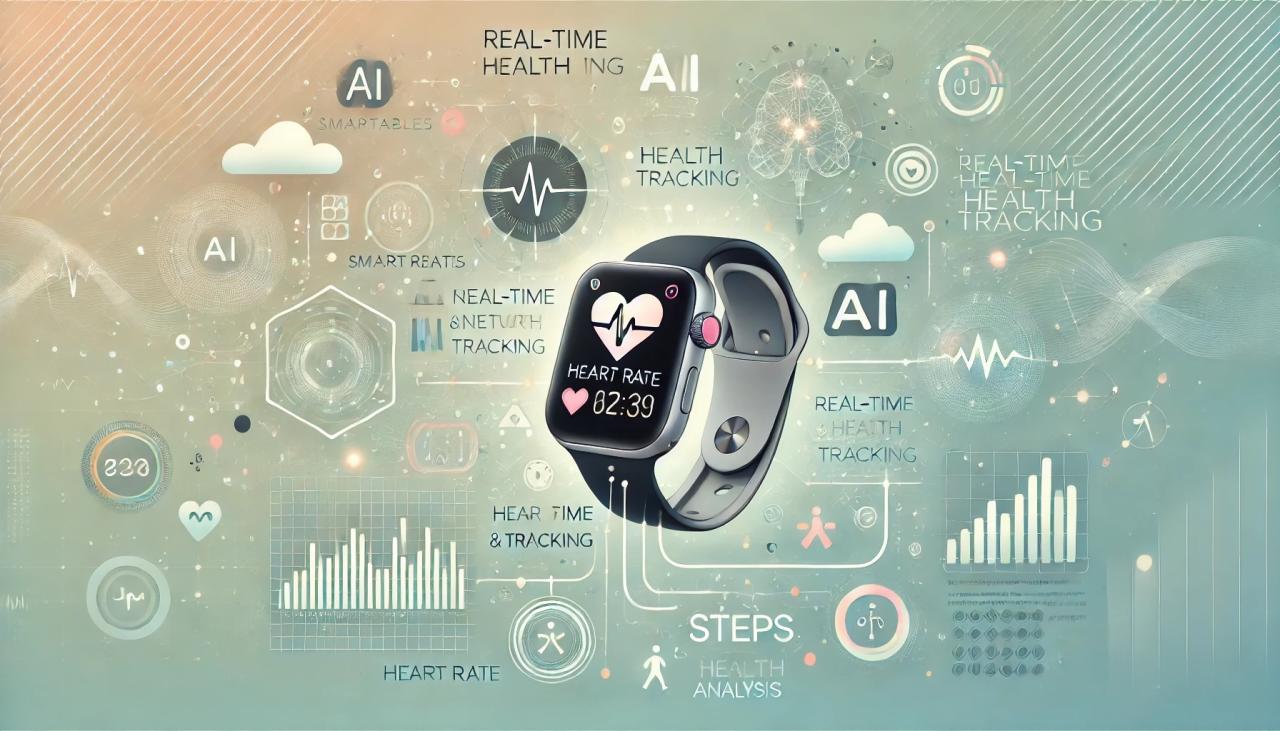
In conclusion, Wearable Health Tech: Using Data to Prevent Chronic Diseases Early offers a glimpse into the future of healthcare. By harnessing the power of data and technology, individuals can take proactive steps towards better health outcomes. As the field continues to evolve, the potential for early disease prevention through wearable tech remains promising and exciting.
Quick FAQs
How does wearable health tech collect data?
Wearable health tech collects data through sensors embedded in devices that track various health indicators such as heart rate, sleep patterns, and physical activity.
What types of health data can wearable devices track?
Wearable devices can track data like heart rate, steps taken, calories burned, sleep quality, and even stress levels, providing a comprehensive picture of one's health.
How can wearable health tech insights be used to create personalized health plans?
Insights from wearable health tech can be leveraged to tailor health and wellness plans based on an individual's unique data, promoting a more personalized approach to healthcare.
What are some challenges faced by wearable health tech in disease prevention?
Challenges include data accuracy, user adherence, and integrating wearable data into existing healthcare systems. Solutions are being explored to address these limitations.

