

Exploring the profound influence of AI-driven drug discovery on global healthcare, this introduction invites readers into a world where cutting-edge technology revolutionizes the traditional landscape of pharmaceutical research.
Delving into the transformative power of AI in expediting drug development processes and enhancing treatment outcomes, this discussion promises an enlightening journey through the intersection of technology and healthcare.
Overview of AI-Driven Drug Discovery
AI has revolutionized the pharmaceutical industry by transforming the drug discovery process. Through the use of advanced algorithms and machine learning, AI enables researchers to analyze vast amounts of data quickly and efficiently, leading to the discovery of novel drugs and treatments.Role of AI in Drug Discovery
AI plays a crucial role in drug discovery by assisting researchers in identifying potential drug candidates, predicting their efficacy, and optimizing their chemical structures. By analyzing complex biological data, AI algorithms can uncover patterns and relationships that may not be apparent to human researchers, leading to the development of targeted therapies for various diseases.Examples of AI Applications in Pharmaceutical Research
- Virtual Screening: AI algorithms can rapidly screen large libraries of compounds to identify potential drug candidates with the desired biological activity.
- Drug Repurposing: AI can analyze existing drugs and predict their effectiveness for new indications, accelerating the discovery of new treatments.
- Predictive Analytics: AI models can predict the safety and efficacy of drug candidates, reducing the time and cost associated with clinical trials.
How AI Accelerates the Drug Development Process
AI accelerates the drug development process by automating repetitive tasks, optimizing experimental design, and providing real-time insights into complex biological systems. By leveraging AI technologies, researchers can expedite the identification of promising drug candidates, streamline preclinical and clinical trials, and ultimately bring new therapies to market faster.Impact on Global Healthcare
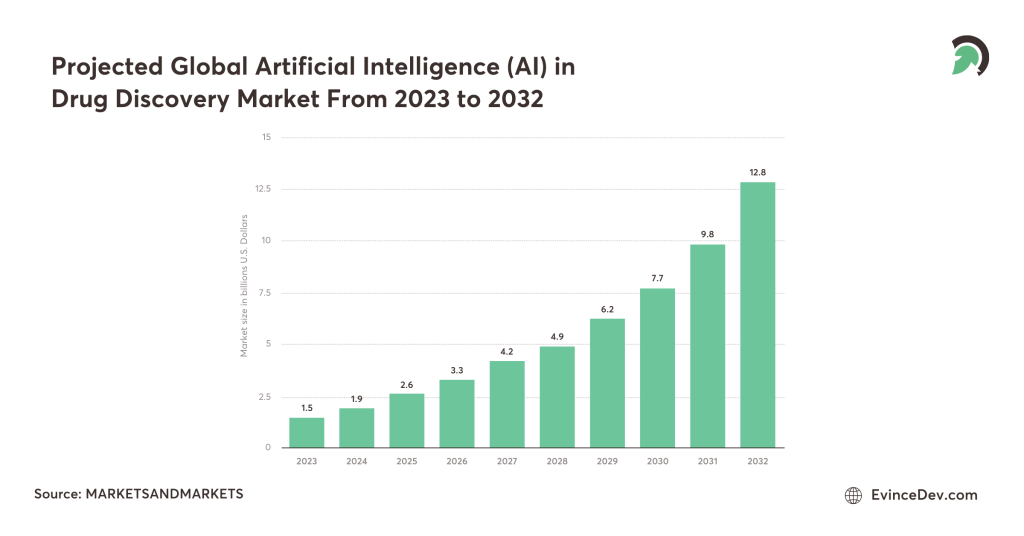
AI-driven drug discovery is revolutionizing the healthcare industry by significantly improving the efficiency and effectiveness of treatments.
Transformation of Healthcare
- AI algorithms can analyze vast amounts of data to identify potential drug candidates faster than traditional methods.
- By streamlining the drug development process, AI helps researchers save time and resources, ultimately leading to quicker drug approvals.
- Personalized medicine is becoming more achievable with AI, as it enables tailored treatments based on individual genetic profiles and medical history.
Benefits of AI in Treatment Efficiency
- AI can predict patient responses to various treatments, allowing for more targeted and effective therapies.
- Reduced trial-and-error in drug development leads to faster identification of successful treatments, benefiting patients with quicker access to innovative therapies.
Comparison with Traditional Drug Development
- Traditional drug development methods are time-consuming and costly, often leading to a high failure rate in clinical trials.
- AI-enabled approaches offer a more systematic and data-driven way to identify promising drug candidates, increasing the likelihood of successful outcomes.
- The precision and speed of AI in drug discovery outperform traditional trial-and-error methods, making the process more efficient and cost-effective.
Cost Reduction and Efficiency
AI-driven drug discovery has revolutionized the pharmaceutical industry by significantly reducing costs and improving efficiency in the process of developing new drugs. This has led to faster drug discovery timelines and increased success rates in clinical trials.Reducing Costs with AI
- AI algorithms can analyze massive amounts of data in a fraction of the time it would take a human researcher, leading to cost savings in labor and resources.
- By predicting the outcomes of various experiments and simulations, AI helps researchers focus on the most promising drug candidates, reducing the costs associated with trial and error.
- AI can optimize the drug development process by identifying potential risks and opportunities early on, preventing costly setbacks later in the pipeline.
Efficiency Gains through AI
- AI streamlines the drug discovery process by automating repetitive tasks such as data analysis, allowing researchers to focus on more complex challenges.
- Machine learning models can identify patterns and relationships in data that human researchers may overlook, leading to more targeted and successful drug development strategies.
- AI-driven simulations and predictive modeling help researchers make informed decisions about which drug candidates to pursue, increasing the efficiency of the entire drug discovery process.
Examples of Cost-Saving Measures due to AI Implementation
- Virtual screening techniques powered by AI can quickly identify potential drug candidates from large compound libraries, reducing the costs associated with traditional high-throughput screening methods.
- AI can predict the toxicity and efficacy of drugs early in the development process, reducing the likelihood of costly failures in clinical trials.
- Optimization of drug dosages and formulations through AI algorithms can lead to more efficient treatments with lower production costs.
Accessibility and Personalized Medicine
AI-driven drug discovery not only revolutionizes the drug development process but also enhances accessibility to treatments for patients worldwide
Enhanced Accessibility
- AI algorithms can analyze vast amounts of medical data to identify potential drug candidates quickly, speeding up the drug development timeline and making new treatments available sooner to patients.
- By streamlining the drug discovery process, AI-driven technologies can lower the overall cost of drug development, making treatments more affordable and accessible to a broader population.
Personalized Medicine Potential
- AI technologies have the potential to revolutionize personalized medicine by analyzing individual patient data to tailor treatments based on specific genetic, environmental, and lifestyle factors.
- Through machine learning algorithms, AI can predict how a patient will respond to a particular treatment, allowing healthcare providers to customize therapies for better outcomes.
Tailoring Treatments to Individual Needs
- AI can analyze complex biological pathways and interactions to identify the most effective treatment options for individual patients, considering factors such as genetic predispositions and disease progression.
- By tailoring treatments to individual needs, AI-driven drug discovery can optimize therapeutic outcomes, minimize side effects, and improve patient quality of life.
Regulatory Challenges and Ethical Considerations
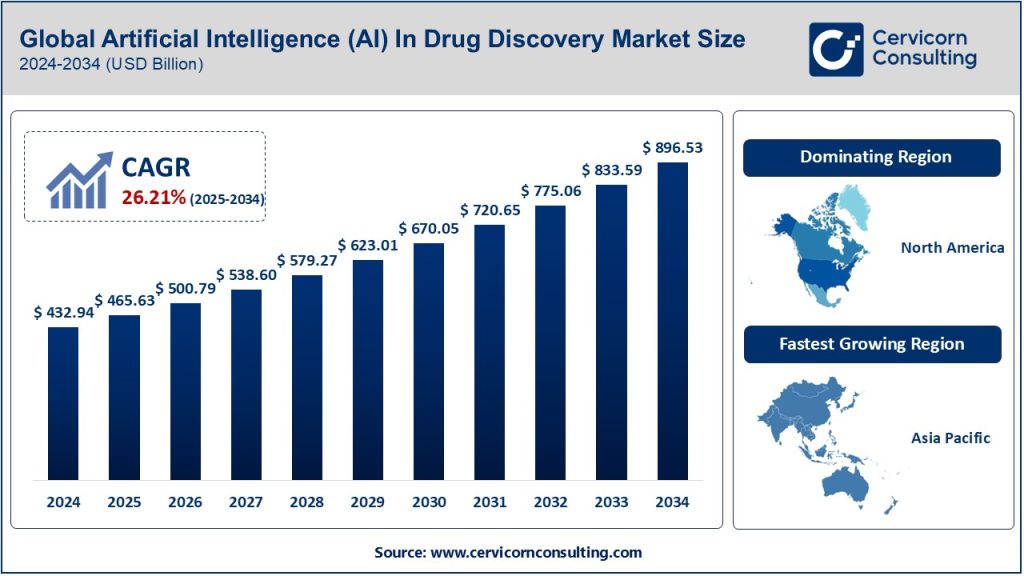
As AI-driven drug discovery continues to revolutionize the healthcare industry, it is essential to address the regulatory challenges and ethical considerations that come with implementing these innovative technologies.
Regulatory Hurdles Faced by AI in Drug Discovery
One of the major regulatory hurdles faced by AI in drug discovery is the lack of clear guidelines and standards for validating AI algorithms used in the development of new drugs. Regulatory bodies often struggle to keep up with the rapid advancements in AI technology, leading to uncertainty and delays in the approval process for AI-driven drug candidates.
Ethical Issues Surrounding AI-Driven Healthcare Innovations
The use of AI in healthcare raises ethical concerns related to data privacy, patient consent, and the potential for bias in decision-making algorithms. Ensuring that patient data is handled securely and ethically, obtaining informed consent for AI-driven treatments, and addressing algorithmic bias are key ethical considerations that must be carefully navigated in the development and implementation of AI-driven healthcare innovations.
Impact of Regulations on Adoption of AI Technologies in Healthcare
Regulatory frameworks play a crucial role in shaping the adoption of AI technologies in healthcare. While regulations are necessary to ensure patient safety and data security, overly stringent regulations can hinder the widespread adoption of AI-driven solutions. Balancing the need for regulatory oversight with fostering innovation and technological advancement is a delicate challenge that healthcare stakeholders must address to fully leverage the potential of AI in improving patient outcomes and healthcare delivery.
Final Wrap-Up
In conclusion, the economic impact of AI-driven drug discovery on global healthcare unfolds as a narrative of innovation, efficiency, and personalized care. As AI continues to reshape the healthcare industry, the potential for cost reduction, enhanced accessibility, and ethical considerations pave the way for a future where technology and medicine converge for the betterment of humanity.
FAQ Overview
How does AI impact drug discovery efficiency?
AI accelerates drug development by streamlining processes, identifying potential drug candidates faster, and optimizing treatment strategies for better patient outcomes.
What are the benefits of AI in personalized medicine?
AI enables tailored treatments based on individual patient characteristics, optimizing efficacy and minimizing adverse effects through precision medicine approaches.
What regulatory challenges does AI face in healthcare?
AI encounters hurdles related to data privacy, security, and ensuring compliance with existing healthcare regulations, requiring careful navigation to integrate seamlessly into healthcare systems.

