

As The ROI of Corporate Wellness Programs: Reducing Healthcare Costs for SMEs takes center stage, this opening passage beckons readers with casual formal language style into a world crafted with good knowledge, ensuring a reading experience that is both absorbing and distinctly original.
Corporate wellness programs have become a crucial aspect of modern workplaces, offering a range of benefits for both employees and employers. Let's delve into how these programs can effectively reduce healthcare costs for small and medium-sized enterprises (SMEs) while enhancing overall well-being.
Introduction to Corporate Wellness Programs
Corporate wellness programs are initiatives implemented by companies to promote the overall health and well-being of their employees. The main objectives of these programs are to improve employee health, reduce healthcare costs, increase productivity, and boost employee morale and engagement. By focusing on prevention and lifestyle improvements, corporate wellness programs aim to create a healthier and happier workforce.Importance of Corporate Wellness Programs
Corporate wellness programs play a crucial role in creating a positive work environment and fostering a culture of health and well-being among employees. These programs not only benefit the individual employees but also have a significant impact on the overall success of the organization.
- Healthier Employees: By providing access to wellness resources and promoting healthy lifestyle choices, companies can help employees improve their physical and mental health, leading to reduced absenteeism and increased productivity.
- Cost Savings: Investing in employee wellness can result in long-term cost savings for businesses by reducing healthcare expenses, insurance premiums, and costs associated with employee turnover.
- Enhanced Employee Engagement: Wellness programs can boost employee morale, motivation, and job satisfaction, leading to higher retention rates and improved overall performance.
Common Components of Corporate Wellness Programs
Corporate wellness programs typically include a variety of components aimed at addressing different aspects of employee health and well-being. These components may vary depending on the size and industry of the organization, but some common elements include:
- Health Screenings: Regular health assessments and screenings to identify potential health risks and provide early intervention.
- Physical Fitness Activities: Exercise classes, gym memberships, or on-site fitness facilities to encourage employees to stay active and maintain a healthy lifestyle.
- Nutrition Programs: Education on healthy eating habits, access to nutritious food options, and support for dietary changes.
- Mental Health Support: Counseling services, stress management programs, and resources for emotional well-being.
- Wellness Challenges: Fun and engaging challenges or competitions to motivate employees to adopt healthier habits and stay committed to their wellness goals.
Benefits of Corporate Wellness Programs
Corporate wellness programs offer a variety of benefits for SMEs, including reducing healthcare costs, improving employee productivity, and boosting morale within the organization.Reducing Healthcare Costs
Wellness programs can significantly reduce healthcare costs for SMEs by promoting preventive care and healthy lifestyle choices among employees. By encouraging regular exercise, healthy eating habits, and stress management, these programs help prevent chronic diseases and reduce the need for expensive medical interventions. In the long run, this can lead to lower healthcare costs for both the company and its employees.Impact on Employee Productivity and Morale
Implementing corporate wellness programs can have a positive impact on employee productivity and morale. When employees are healthy and happy, they are more engaged at work, leading to increased productivity. Additionally, wellness programs show that the company values the well-being of its employees, which can boost morale and loyalty among the workforce.Statistics and Case Studies
Studies have shown that companies with wellness programs experience lower healthcare costs and reduced absenteeism rates. For example, a study by the Centers for Disease Control and Prevention found that for every dollar invested in employee wellness programs, companies can expect a return of $3 to $6 in healthcare savings. Additionally, case studies from companies like Johnson & Johnson have demonstrated that wellness programs can lead to significant cost savings and improved employee health outcomes.Implementing Corporate Wellness Programs for SMEs
Implementing corporate wellness programs for small to medium-sized enterprises requires careful planning and consideration to ensure effectiveness and employee engagement. Here are some key steps and strategies to design and implement successful wellness initiatives tailored for SMEs.Designing Effective Wellness Programs
- Conduct a needs assessment: Start by understanding the specific health and wellness needs of your employees through surveys, focus groups, or health risk assessments.
- Set clear goals: Define measurable objectives for your wellness program, such as reducing absenteeism, improving productivity, or lowering healthcare costs.
- Offer a variety of wellness activities: Provide a range of options, such as fitness classes, nutrition workshops, mental health resources, and stress management programs to cater to diverse employee interests.
- Create a supportive environment: Encourage leadership support, promote a culture of wellness, and provide resources for employees to participate in wellness activities.
Tailoring Wellness Programs for SMEs
- Consider the size and resources of your organization: Develop wellness initiatives that are feasible and cost-effective for your SME, taking into account budget constraints and staff availability.
- Focus on preventive care: Emphasize wellness activities that promote preventive health measures to reduce long-term healthcare costs and improve employee well-being.
- Offer flexible options: Allow employees to choose wellness activities that fit their schedules and preferences, such as onsite classes, virtual programs, or reimbursement for external wellness services.
Promoting Employee Engagement
- Communicate effectively: Use multiple channels to promote wellness initiatives, such as emails, posters, intranet messages, and team meetings to raise awareness and encourage participation.
- Incentivize participation: Offer rewards, incentives, or recognition for employees who actively engage in wellness activities to boost motivation and maintain interest over time.
- Create a supportive community: Foster a sense of community and teamwork through group challenges, wellness committees, or peer support networks to enhance employee engagement and accountability.
Measuring ROI of Corporate Wellness Programs
Corporate wellness programs are an essential investment for SMEs looking to improve the health and well-being of their employees while reducing healthcare costs. It is crucial to measure the return on investment (ROI) of these programs to assess their effectiveness and make informed decisions for the future.Metrics Used to Measure ROI
- Healthcare Costs: One of the primary metrics used to measure the ROI of corporate wellness programs is the reduction in healthcare costs. By tracking the decrease in medical expenses, SMEs can quantify the financial impact of these programs.
- Absenteeism Rates: Another important metric is the reduction in absenteeism rates. Lower absenteeism indicates that employees are healthier and more engaged, leading to increased productivity and cost savings for the company.
- Employee Engagement: Monitoring employee engagement levels can also help measure the ROI of wellness programs. Engaged employees are more likely to participate in wellness initiatives and experience positive health outcomes, ultimately contributing to a healthier bottom line.
Calculating Cost Savings
- Direct Costs: To calculate cost savings related to reduced healthcare expenses, SMEs can compare the medical claims data before and after implementing the wellness program. This analysis can provide a clear picture of the financial benefits gained from improved employee health.
- Indirect Costs: In addition to direct healthcare savings, SMEs should also consider the indirect cost savings associated with reduced absenteeism, presenteeism, and turnover. These factors play a significant role in determining the overall ROI of corporate wellness programs.
Evaluating Success and Effectiveness
- Employee Feedback: Gathering feedback from employees through surveys and focus groups can help evaluate the success and effectiveness of wellness programs. Understanding employee perceptions and experiences can guide future program improvements.
- Data Analysis: Analyzing key performance indicators such as participation rates, health outcomes, and productivity levels can provide valuable insights into the impact of wellness initiatives. Data-driven decision-making is essential for assessing the overall success of corporate wellness programs.
Last Recap
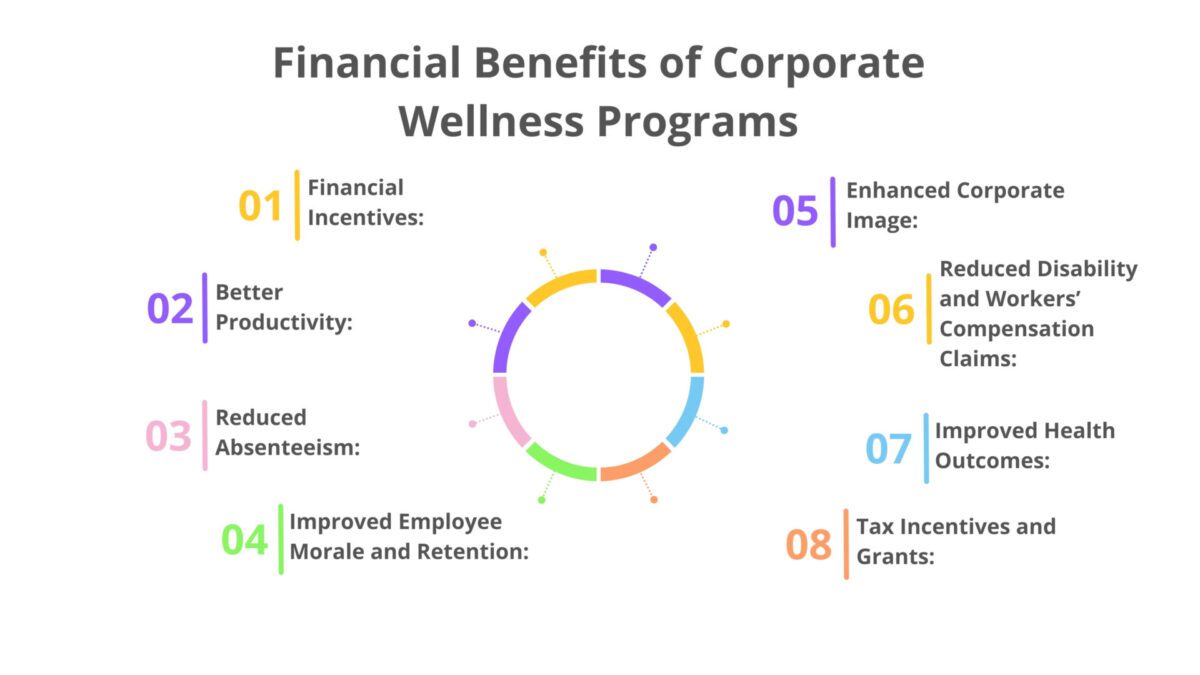
In conclusion, the discussion around The ROI of Corporate Wellness Programs: Reducing Healthcare Costs for SMEs highlights the significant advantages these programs bring to SMEs. By prioritizing employee well-being and engagement, companies can not only cut down healthcare expenses but also boost productivity and morale among their workforce.
FAQ
What are some examples of common components of corporate wellness programs?
Common components include fitness challenges, health screenings, mental health resources, and nutrition counseling.
How can SMEs measure the success of their wellness programs?
SMEs can track metrics like reduced absenteeism, increased employee engagement, and surveys to gauge satisfaction levels.
What strategies can help promote employee engagement in wellness initiatives?
Offering incentives, organizing team activities, and providing educational resources can boost employee participation in wellness programs.

