

Exploring the landscape of venture capital investments in SaaS startups in 2026 opens up a realm of possibilities. Dive into the key criteria shaping investor decisions and the trends revolutionizing the industry.
Unravel the impact of technology on investor choices and the strategies successful startups use to secure funding.
What Investors Look for in SaaS Startups in 2026
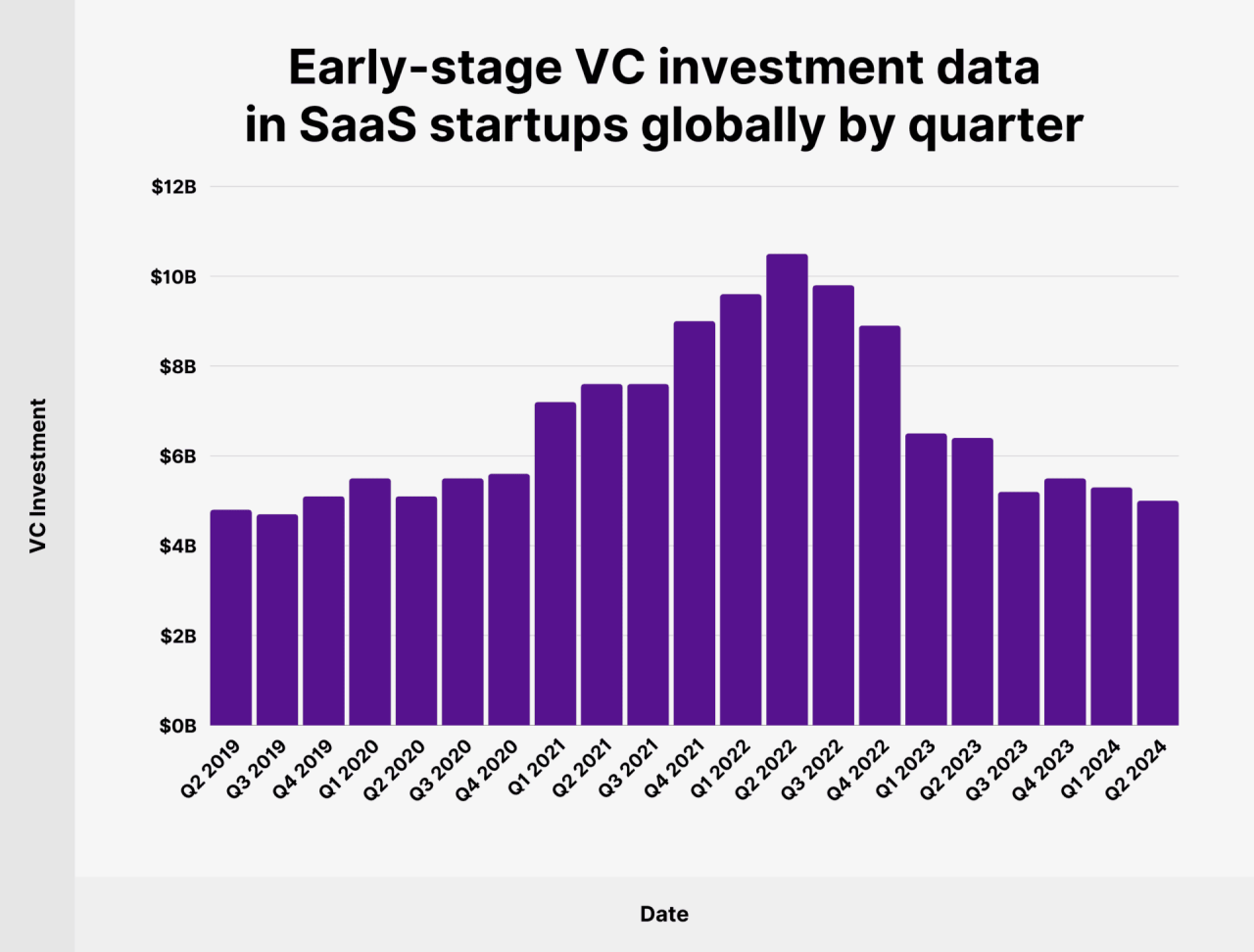
In 2026, venture capital investments in SaaS startups continue to be a popular choice for investors looking to capitalize on the growth potential of the software-as-a-service industry. With the increasing demand for cloud-based solutions across various sectors, investors are actively seeking promising SaaS startups to fund.
Current Landscape of Venture Capital Investments in SaaS Startups
Investors are closely monitoring the SaaS market, which has been experiencing rapid growth over the past few years. The subscription-based revenue model of SaaS companies provides a predictable income stream, making them attractive investment opportunities. Additionally, the scalability of SaaS products and the potential for global reach are key factors driving investor interest in this sector.
Key Criteria Considered by Investors when Evaluating SaaS Startups
- Strong Product-Market Fit: Investors look for SaaS startups that have a clear understanding of their target market and have developed a product that meets the needs of customers effectively.
- Scalability: The ability of a SaaS startup to scale its operations and revenue quickly is a crucial factor for investors. They want to see the potential for exponential growth in the future.
- Traction and Growth Metrics: Investors pay close attention to key performance indicators such as customer acquisition cost, lifetime value, churn rate, and revenue growth to assess the growth potential of a SaaS startup.
- Experienced Team: A strong and experienced team with a track record of success in the SaaS industry is essential for investors. They want to see a team that can execute on the business plan effectively.
Emerging Trends in the SaaS Industry Shaping Investor Preferences
One of the emerging trends in the SaaS industry is the focus on vertical-specific solutions, where startups tailor their products to meet the unique needs of a particular industry. This trend is driven by the increasing demand for specialized software solutions in various sectors.
Impact of Technological Advancements on Investor Criteria for SaaS Startups
- Artificial Intelligence and Machine Learning: Investors are increasingly looking for SaaS startups that leverage AI and ML technologies to enhance their products and services. These technologies can provide valuable insights, improve automation, and enhance user experience.
- Cybersecurity and Data Privacy: With the growing concern around data security, investors prioritize SaaS startups that have robust cybersecurity measures in place to protect user data and comply with regulations.
- Integration Capabilities: SaaS startups that offer seamless integration with other software systems and platforms are more attractive to investors. The ability to work well with existing tools and systems is a key consideration.
Market Potential and Growth Prospects
When it comes to attracting venture capital for SaaS startups, market potential plays a crucial role. Investors are always on the lookout for startups that operate in markets with high growth potential and a large addressable market. This is because a promising market can significantly impact the success and scalability of a SaaS startup.Importance of Market Potential
Market potential is a key factor that investors consider when evaluating SaaS startups for funding. A large and growing market indicates that there is a demand for the product or service offered by the startup, which can lead to rapid growth and scalability. Investors are more likely to invest in startups that operate in markets with high growth potential, as it provides them with the opportunity for substantial returns on their investment.
Criteria for Assessing Growth Prospects
Investors assess the growth prospects of SaaS startups based on various criteria, such as the size of the target market, competitive landscape, customer acquisition strategy, revenue growth, and retention rates. Startups that can demonstrate a clear path to growth, scalability, and profitability are more likely to attract investment from venture capitalists.
Strategies for Demonstrating Growth Potential
- Developing a strong value proposition that addresses a market need
- Implementing effective marketing and sales strategies to acquire and retain customers
- Showcasing a track record of revenue growth and customer satisfaction
- Investing in product innovation and staying ahead of the competition
Examples of SaaS Startups with Market Potential
Some notable SaaS startups that have effectively showcased their market potential to secure funding include:
- Slack: Slack revolutionized team communication and collaboration, tapping into a growing market for workplace productivity tools.
- Zenefits: Zenefits disrupted the HR software industry by offering a comprehensive solution for small and medium-sized businesses.
- Salesforce: Salesforce pioneered cloud-based CRM software and expanded into various cloud services, capitalizing on the growing demand for cloud solutions.
Product Differentiation and Innovation
In the competitive landscape of SaaS startups, product differentiation and innovation play a crucial role in attracting investor interest and gaining a competitive edge.Significance of Product Differentiation
Product differentiation is a key factor that investors consider when evaluating SaaS startups for investment opportunities. It involves creating unique features, functionalities, or services that set a startup apart from its competitors. Investors look for startups that offer innovative solutions to address specific market needs and stand out in a crowded market.- Investors prioritize startups that have a clear value proposition and a unique selling point that resonates with their target customers.
- Product differentiation can help startups command higher prices, increase customer loyalty, and establish a strong market presence.
- By focusing on differentiation, startups can reduce the threat of commoditization and create barriers to entry for competitors.
Innovative Features and Technologies
When considering investment opportunities, investors prioritize startups that leverage cutting-edge technologies and innovative features to drive growth and scalability. Some of the key innovative features and technologies that investors look for include:- AI and machine learning capabilities to enhance product functionality and provide personalized experiences to users.
- Blockchain technology for secure data management and transparency in transactions.
- IoT integration for real-time data monitoring and automation of processes.
- AR/VR solutions to create immersive experiences and enhance user engagement.
Leveraging Innovation for Competitive Advantage
SaaS startups can leverage innovation to differentiate themselves in a competitive market and attract investors by:- Continuously investing in R&D to stay ahead of market trends and offer cutting-edge solutions.
- Listening to customer feedback and adapting products to meet evolving needs and preferences.
- Building strategic partnerships with technology providers to access new capabilities and expand market reach.
- Focusing on user experience design to create intuitive interfaces and seamless interactions for customers.
Successful Examples of Innovative SaaS Startups
Several SaaS startups have excelled in product differentiation and innovation, capturing investor interest and achieving significant growth. For example:- Slack revolutionized team communication with its user-friendly interface and integrations, attracting investment from top venture capital firms.
- Salesforce pioneered cloud-based CRM solutions and continues to innovate with AI-powered tools for sales and marketing.
- Zapier created a platform that connects over 2,000 apps to automate workflows, simplifying tasks for businesses of all sizes.
Team and Leadership
When it comes to investing in SaaS startups, one of the key factors that investors consider is the founding team and their leadership qualities. The team behind a startup is often seen as a crucial element in determining the success and growth potential of the business.
Characteristics Investors Look for in the Founding Team
- Proven track record: Investors look for founders with a history of success in the industry or relevant experience that demonstrates their ability to navigate challenges and drive growth.
- Passion and commitment: A strong sense of dedication and passion for the product or service they are offering is essential, as it reflects the founders' willingness to go the extra mile to make the startup succeed.
- Complementary skills: Diversity in skills and expertise among the founding team members is highly valued, as it ensures a well-rounded approach to decision-making and problem-solving.
- Resilience and adaptability: The ability to pivot, learn from failures, and adapt to changing market conditions is crucial for a founding team to steer the startup in the right direction.
Role of Leadership Qualities and Team Dynamics
Leadership qualities and team dynamics play a significant role in influencing investor confidence and funding decisions. A cohesive team with strong leadership can inspire trust and demonstrate the potential for long-term success.
Case Studies of SaaS Startups with Strong Founding Teams
One notable example is the success story of XYZ SaaS startup, where the founders' shared vision and complementary skills led to securing substantial venture capital investments. Their ability to work together effectively and drive innovation played a pivotal role in attracting investors.
Closing Summary
In conclusion, the world of SaaS startups in 2026 is a dynamic space where innovation and leadership play a pivotal role. This discussion sheds light on what investors seek and how startups can position themselves for success.
Helpful Answers
What role does product differentiation play in attracting investors to SaaS startups?
Product differentiation is crucial as it showcases uniqueness and value, making startups stand out in a competitive market.
How important is the founding team in securing venture capital for SaaS startups?
The founding team's qualities and leadership skills significantly influence investor confidence and funding decisions.

