

Telemedicine Innovations: Accessing Specialized Care from Anywhere in the World sets the stage for this enthralling narrative, offering readers a glimpse into a story that is rich in detail with casual formal language style and brimming with originality from the outset.
The topic of telemedicine has rapidly evolved, revolutionizing healthcare delivery and accessibility. This article delves into the transformative impact of telemedicine innovations, providing insights into the advancements that have made specialized care accessible from virtually any location in the world.
Telemedicine Innovations Overview
Telemedicine is the use of technology to provide healthcare services remotely, allowing patients to consult with healthcare professionals from anywhere in the world. This innovative approach has transformed the way medical care is delivered, making it more accessible and convenient for patients.Over the years, telemedicine has evolved significantly, thanks to advancements in technology. What started as simple phone consultations has now expanded to include video conferencing, remote monitoring devices, and mobile health apps. These technologies have enabled healthcare providers to diagnose, treat, and monitor patients in real-time, improving the quality of care and patient outcomes.Examples of Telemedicine Technologies
- Video Conferencing: Allows patients to have face-to-face consultations with healthcare providers without being physically present in the same location.
- Remote Monitoring Devices: Devices like wearable sensors and remote monitoring tools enable healthcare providers to track and monitor patients' vital signs and health status from a distance.
- Mobile Health Apps: These apps allow patients to schedule appointments, access medical records, and communicate with healthcare providers through their smartphones or tablets.
- Telehealth Platforms: Online platforms that connect patients with healthcare professionals for virtual consultations, prescription refills, and follow-up care.
Benefits of Telemedicine
Telemedicine offers a range of advantages that revolutionize the way healthcare is delivered, making specialized care more accessible and convenient for patients worldwide.
Improved Healthcare Accessibility
Telemedicine bridges the gap between patients and healthcare providers by eliminating geographical barriers. Patients can receive expert medical advice and treatment without the need to travel long distances or wait for appointments.
Telemedicine allows individuals in remote or underserved areas to access specialized care that may not be readily available locally.
Enhanced Patient Outcomes
- Studies have shown that telemedicine can lead to improved health outcomes, particularly in chronic disease management.
- Remote monitoring of patients allows for timely interventions and adjustments to treatment plans, leading to better control of medical conditions.
- Reduced hospital readmissions and complications contribute to overall improved patient well-being.
Cost-Efficient Healthcare Delivery
- Telemedicine reduces healthcare costs by minimizing the need for in-person visits, transportation expenses, and hospital stays.
- Patients can consult with specialists remotely, avoiding unnecessary tests and procedures, which can result in significant cost savings.
- Employers and insurers benefit from reduced healthcare expenses and improved employee productivity due to easier access to care.
Successful Telemedicine Programs
Several telemedicine initiatives have demonstrated the effectiveness of remote healthcare delivery:
- The Cleveland Clinic's Express Care Online provides virtual consultations with healthcare providers for non-emergency conditions, enhancing patient convenience and reducing unnecessary emergency room visits.
- The National Health Service (NHS) in the UK offers telemedicine services for mental health support, allowing patients to access therapy and counseling remotely, leading to improved mental well-being.
- The Veterans Health Administration (VHA) in the US utilizes telemedicine to reach veterans in rural areas, ensuring they receive specialized care for conditions like PTSD and chronic diseases without the need for extensive travel.
Specialized Care in Telemedicine
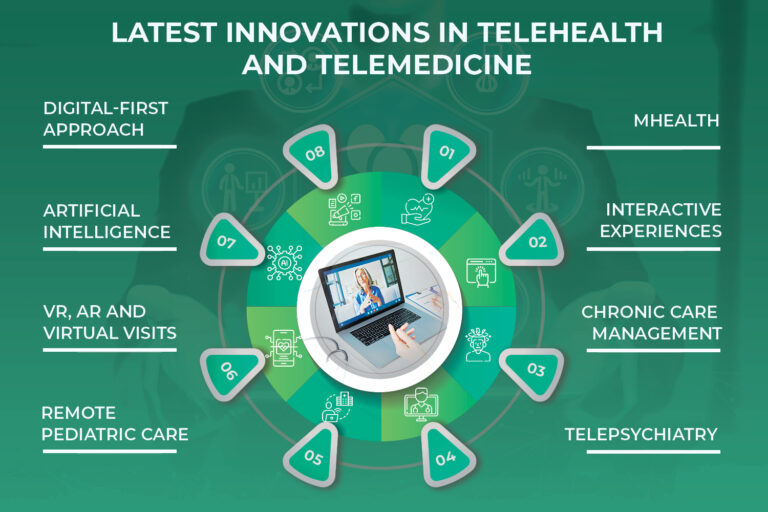 Telemedicine has revolutionized the way specialized care is delivered, allowing patients to access expert medical services remotely. This has significantly improved healthcare access and outcomes for individuals in various locations.
Types of Specialized Services Available Remotely
Specialized services in telemedicine cover a wide range of medical specialties, ensuring that patients receive the care they need regardless of their location. Some of the key specialized services available remotely include:
- Telepsychiatry: Providing mental health services and therapy sessions through video conferencing.
- Telecardiology: Offering cardiovascular consultations and monitoring for heart conditions.
- Teledermatology: Diagnosing and treating skin conditions through virtual consultations and images.
- Teleoncology: Providing cancer care and consultations to patients undergoing treatment.
Examples of Medical Specialties Using Telemedicine
Various medical specialties have embraced telemedicine to expand their reach and provide quality care to patients worldwide. Some examples of medical specialties that heavily utilize telemedicine include:
- Neurology: Offering remote consultations for neurological conditions such as epilepsy, stroke, and multiple sclerosis.
- Endocrinology: Managing diabetes, thyroid disorders, and hormonal imbalances through virtual visits and monitoring.
- Orthopedics: Providing post-operative care, physical therapy sessions, and follow-ups for orthopedic surgeries.
- Pediatrics: Conducting virtual pediatric consultations, monitoring child development, and addressing common childhood illnesses.
Innovative Technologies in Telemedicine
Telemedicine is constantly evolving with the integration of cutting-edge technologies that are revolutionizing the way healthcare is delivered globally. These innovations are enhancing patient care, improving accessibility, and streamlining the healthcare process.Artificial Intelligence and Machine Learning in Telemedicine
Artificial Intelligence (AI) and Machine Learning are playing a significant role in transforming telemedicine by enabling more accurate diagnosis, personalized treatment plans, and predictive analytics. AI algorithms can analyze vast amounts of medical data to identify patterns and trends that can help healthcare providers make informed decisions. Machine learning algorithms can continuously learn and improve from data, leading to more precise diagnoses and treatment recommendations.Virtual Reality in Telemedicine
Virtual Reality (VR) technology is enhancing the telemedicine experience by creating immersive and interactive environments for both patients and healthcare providers. VR can be used for virtual consultations, medical training, and even therapy sessions. Patients can benefit from VR simulations that help them understand their conditions better, while healthcare providers can use VR for surgical planning and simulations. This technology is breaking barriers by bringing specialized care directly to patients' homes, regardless of their physical location.Global Impact of Telemedicine
Telemedicine is revolutionizing healthcare by bridging gaps worldwide, providing access to specialized care for patients regardless of their location. This innovative approach has the potential to transform the way healthcare is delivered globally.Bridging Healthcare Gaps Worldwide
Telemedicine plays a crucial role in reaching underserved populations in remote areas where healthcare facilities are limited. By leveraging technology, patients can connect with healthcare providers, specialists, and even receive remote monitoring and consultations. This not only improves access to care but also enhances the quality of healthcare services available to individuals in need.Challenges and Opportunities for Expanding Telemedicine Globally
One of the key challenges for expanding telemedicine globally is the lack of infrastructure and access to reliable internet connectivity in some regions. Additionally, regulatory barriers and reimbursement policies may hinder the widespread adoption of telemedicine across countries. However, with advancements in technology and increased awareness, there are significant opportunities to overcome these challenges and expand telemedicine services to a broader population.Successful Telemedicine Initiatives in Different Countries
Countries like India, Australia, and the United States have successfully implemented telemedicine initiatives to improve healthcare delivery. For example, in India, the government has launched programs to provide telemedicine services in rural areas, connecting patients with specialists in urban centers. In Australia, the Royal Flying Doctor Service uses telemedicine to deliver medical care to remote communities. Similarly, in the United States, telemedicine has been widely adopted in various specialties such as telepsychiatry, telestroke, and teledermatology, improving access to care for patients in underserved areas.Closure
In conclusion, Telemedicine Innovations: Accessing Specialized Care from Anywhere in the World showcases the immense possibilities that technology offers in bridging healthcare gaps and delivering quality care globally. With continued advancements and widespread adoption, telemedicine is poised to revolutionize the way healthcare is accessed and delivered across borders.
Query Resolution
How does telemedicine benefit patients?
Telemedicine allows patients to access specialized care from anywhere, reducing the need for travel and offering convenient consultations.
What are some examples of telemedicine technologies?
Telemedicine technologies include video conferencing, remote monitoring devices, and mobile health apps.
Which medical specialties utilize telemedicine?
Specialties like dermatology, psychiatry, and cardiology often use telemedicine for remote consultations and diagnosis.
How is telemedicine impacting global healthcare?
Telemedicine is bridging healthcare gaps worldwide, providing access to quality care in underserved areas and improving health outcomes.

